Emergency Dentist Care for Loose Crowns, Caps, and Bridges

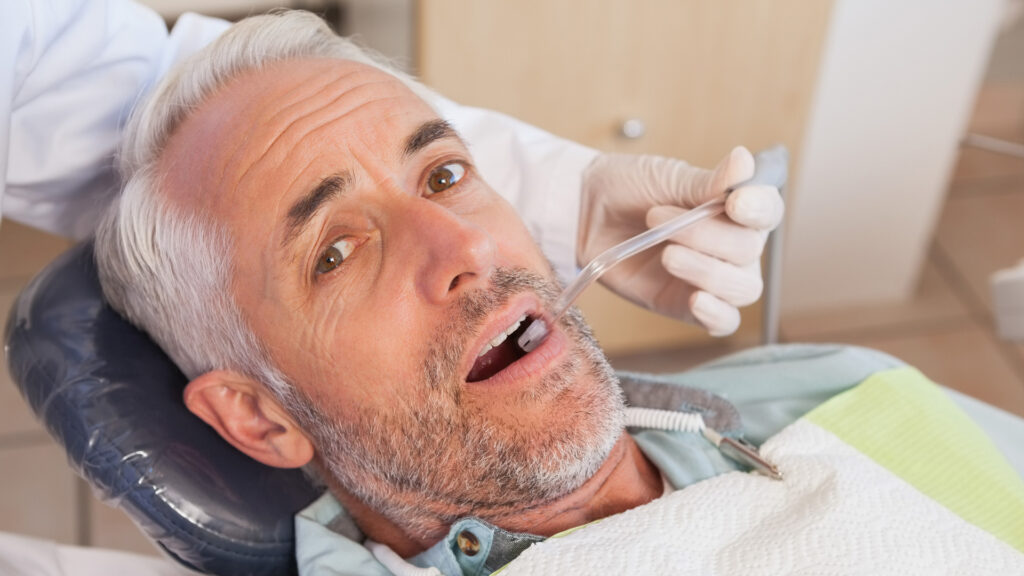

A loose crown or bridge rarely picks a convenient time to happen. It shows up in the middle of lunch, on a work call, while traveling, or late on a Friday when every small problem seems to become urgent. Patients often describe the same uneasy feeling: the restoration is still there, but it shifts when they bite, catches on the tongue, or lifts slightly when they floss. It may not hurt much at first, which can make it tempting to ignore. That is usually a mistake.
Crowns, caps, and bridges are designed to fit with precision. When one loosens, something has changed. The cement may have failed, the tooth underneath may have decayed, the supporting tooth may have fractured, or the bite may have been placing too much force on the area for some time. Sometimes the issue is minor and can be corrected quickly. Sometimes the loose restoration is the first visible sign of a much larger problem.
This is where an Emergency Dentist becomes important. Not every loose crown or bridge means you need treatment within the hour, but many cases do deserve same-day or next-day attention. A restoration that moves can expose the tooth, trap bacteria, create sharp edges, and turn an ordinary repair into a root canal or extraction if care is delayed too long.
What actually loosens, and why it matters
People use the terms crown and cap interchangeably, and that is fine in everyday speech. A crown is the full-coverage restoration placed over a prepared tooth. A bridge replaces one or more missing teeth by attaching to neighboring support teeth or implants. All of these restorations rely on a stable fit. Once that fit is compromised, chewing forces start working against you.
A crown can loosen because the dental cement dissolved over time, especially if the margin was exposed to frequent moisture, heavy bite pressure, or recurrent decay. Bridges may loosen on one end first, which is often more dangerous than people expect. A bridge that remains attached on one side can rock during chewing and place torque on the supporting teeth. That movement can damage the cement seal, irritate the gums, and in some cases crack the abutment tooth underneath.
The tooth beneath a crown is not invincible just because it is covered. In fact, a crowned tooth can still get decay, particularly at the edge where crown and tooth meet. I have seen many patients assume that because the outer shell is porcelain or metal, the whole area is protected. The opposite can be true when a crown gets loose. Food packs under the margin, bacteria multiply, and the exposed tooth structure softens. What started as a simple recement often becomes a replacement crown, a buildup, or endodontic treatment.
When loose dental work becomes an emergency
Not every loose crown requires a midnight visit, but some situations should move straight to the top of your priority list. Pain is one clue, though not the only one. A restoration can be loose and painless while the damage beneath it progresses quickly.
An Emergency Dentist should evaluate the situation urgently if the crown or bridge has come off completely and the underlying tooth is sensitive to air, cold, or pressure. The same is true if the restoration is loose enough to shift when you talk or chew, if part of the tooth seems broken, if the gum around it is swollen, or if the bite suddenly feels very uneven. Bridges deserve special attention because they involve more than one tooth, and failure in one part can compromise the whole span.
Children and older adults add extra considerations. A senior patient with a loose bridge may have dexterity issues and be more likely to aspirate or swallow it. A younger patient with orthodontic retainers, grinding habits, or sports activity may keep knocking a loosening crown out of place without realizing how much damage that causes.
One pattern I see often is the patient who says, “It only moves a little, so I have been chewing on the other side.” That workaround can help for a day or two, but it is not a solution. A mobile restoration changes the forces on the tooth every time the jaw closes. Even careful chewing can pump saliva and debris beneath the crown. The longer it goes on, the less likely a straightforward recement becomes.
Common causes behind a loose crown or bridge
The reason the restoration loosened determines what the dentist can do that day. That is why a proper exam matters. Recementing a crown without checking the underlying tooth can look like a quick fix, but it risks sealing in decay or missing a crack.
Here are the causes dentists most often uncover:
- Cement failure over time, often from normal wear, moisture exposure, or age of the restoration.
- Decay at the crown margin, which weakens the tooth and destroys the seal.
- Fracture of the tooth or core buildup under the crown.
- Bite overload from clenching, grinding, or an uneven bite.
- Bridge stress, especially in long-span bridges or when one support tooth has weakened.
Sometimes it is a combination. A patient may have an older crown that loosened after years of service, but the real trigger was nighttime grinding. Another may have a bridge that seemed fine until a cavity formed under one retainer. You cannot tell by appearance alone. Even restorations that look intact on the outside can hide substantial damage underneath.
What to do before you can get to the dentist
The first goal is to protect the tooth and avoid making the problem worse. The second is to keep the restoration safe if it has come out. People often panic and try to snap a crown back into place on their own. That can wedge debris inside, trap the crown in the wrong position, or create a choking risk if it dislodges while you sleep or eat.
If the crown is loose but still attached, avoid sticky foods, hard foods, chewing gum, and chewing on that side. If it has come off, rinse it gently with water and place it in a clean container. Do not scrub the inside aggressively. If the tooth is sensitive, a bit of clean gauze over the area can reduce friction against the tongue, and over-the-counter pain relief may help if you normally tolerate it.
A practical same-day checklist looks like this:
- Remove the crown or bridge from your mouth if it is fully detached and store it in a clean container.
- Rinse your mouth gently with lukewarm water, especially if food has collected around the tooth.
- Do not use household glue, super glue, or adhesives of any kind.
- Avoid chewing on the affected side and skip sticky, crunchy, or very hot and cold foods.
- Call an Emergency Dentist and describe whether the restoration is loose, off completely, painful, or associated with swelling.
Temporary dental cement sold in pharmacies can help in select cases, but people misunderstand its purpose. It is not a substitute for treatment. It may hold a crown in place for a short period if you are traveling and cannot be seen immediately, but it should only be used exactly as directed, and only if the crown seats passively without force. If there is pain on biting, obvious fracture, or uncertainty about the fit, leave it out and seek care. A poorly reseated crown can do more harm than an exposed tooth for a day.
What an emergency dental visit usually involves
A good emergency evaluation is more than simply “gluing it back on.” The dentist will first determine whether the restoration itself is reusable and whether the supporting tooth remains structurally sound. That often involves an exam, checking your bite, and taking an X-ray to look for decay, root infection, fracture lines, or bone loss around support teeth.
If the crown came off cleanly and both the crown and tooth are intact, recementation may be possible the same day. This is the simplest outcome, and patients are often relieved when that is all it takes. Even then, the dentist will usually clean the inside of the crown and the tooth thoroughly, inspect the margins, and verify that the fit is still precise. A crown that appears to fit but has distorted slightly should not be reused.
If decay is present, the tooth may need to be cleaned out and rebuilt before any crown can go back on. If there is not enough healthy tooth left to retain the restoration, a new crown may be needed. In some cases the dentist can place a temporary crown right away and schedule the final one after the tooth is stabilized.
Loose bridges are often more involved. If one retainer has come free but the other remains attached, the dentist may need to remove the entire bridge to examine the supporting teeth properly. Patients are sometimes surprised by this. They think the dentist can simply stick down the loose side. That shortcut is risky because it leaves the unseen area unchecked and can lock in a poor fit. When a bridge is failing, the success of the repair depends on the health of every support structure.
Recement or replace, how dentists decide
This is one of the most practical questions patients ask, and the answer depends on a handful of factors Dental Group of Beverly Hills Emergency Dentist rather than one rule.
Age matters, but not in isolation. A ten-year-old crown can sometimes be recemented and serve well for years more if the margins are sound and the tooth is healthy. A two-year-old crown may need replacement if it fractured, leaks at the margin, or no longer fits due to changes in the tooth.
The condition of the tooth matters even more. If the tooth has enough solid structure, no active decay, and no signs of crack propagation, recementing can be reasonable. If the tooth has softened from decay, fractured below the margin, or lost retention form, recementation usually fails.
The crown itself must also earn a second chance. Porcelain chipping, internal contamination, margin distortion, or wear patterns that indicate a poor bite can all make reuse a bad idea. There is judgment involved here. A careful clinician balances the patient’s discomfort, cost concerns, and long-term prognosis. The right emergency treatment is not always the fastest treatment.
I have seen patients arrive hoping to save a bridge because it “still looks perfect.” A bridge can look excellent on the outside and still be unsalvageable if one support tooth has decayed deeply or cracked. On the other hand, I have also seen older crowns come off after years of service, get cleaned and recemented, and perform well for a long time afterward. Appearances only tell part of the story.
Pain, swelling, and other warning signs you should not brush off
Discomfort after a crown comes loose ranges from mild sensitivity to throbbing pain. The difference usually reflects how much tooth is exposed and whether the pulp or surrounding tissues have become inflamed. Brief cold sensitivity is common when dentin is uncovered. Pain that lingers, wakes you at night, or worsens with pressure suggests something more serious.
Swelling deserves immediate attention. Gum puffiness around a loose crown can happen simply from trapped plaque and food, but pronounced swelling, a bad taste, drainage, or facial tenderness can signal infection. In those cases, waiting several days often leads to more swelling and more extensive treatment. An Emergency Dentist can determine whether the issue is localized irritation, an abscess, or a failing root canal under an existing crown.
Another red flag is a sudden change in bite. If your teeth no longer meet correctly, the restoration may be sitting high, the tooth may have shifted, or a crack may have changed the way the tooth flexes under force. Patients usually notice this as “my teeth hit there first now” or “I cannot close comfortably anymore.” Those details are useful and worth telling the dentist.
Why DIY fixes so often backfire
People do not mean to create bigger problems. They just want to get through the weekend, save the crown, or avoid discomfort. The trouble is that the mouth is unforgiving when fit is off by even a small amount.
Household glue is the most obvious mistake and one of the most damaging. It can irritate soft tissue, contaminate the crown, and make professional recementation far harder. Less dramatic but still harmful is repeatedly pushing a loose crown back into place with finger pressure. Every cycle can grind debris into the inside, chip the edges, or wedge the crown slightly off-center.
There is also a hidden risk with partially loose bridges. Patients often keep them in because they are worried about appearance. A bridge that moves while anchored on one side acts like a lever. With every meal it can stress the remaining support tooth. What might have been a repairable problem can become a non-restorable fracture.
Temporary materials from the pharmacy are best treated as a very short bridge to care, not a home cure. They can help preserve comfort when used correctly, but they can also create false confidence. If the crown feels stable after a temporary fix, some people postpone the visit for weeks. By then, the underlying tooth may be much worse.
Special situations that change the treatment plan
Not all loose restorations are created equal. A front crown that becomes loose is often more emotionally stressful because appearance and speech are involved. People may rush to force it back in because they feel self-conscious. In those cases, it helps to remember that preserving the tooth is more important than preserving appearances for a few hours.
Implant crowns are a separate category. If an implant crown feels loose, the problem may be the crown screw rather than the crown itself, or the implant components may need evaluation. It is especially important not to manipulate these at home. Implant restorations require specific torque values and component checks, and improper handling can damage threads or make retrieval more difficult.
Bridges supported by root canal treated teeth deserve careful assessment because those teeth can fracture without much warning. A tooth that has had a root canal may not signal distress with the same sensitivity as a vital tooth. Patients sometimes assume everything is fine because it does not hurt. A radiograph and a thorough exam matter even more in these cases.
Patients who grind or clench often need more than emergency recementation. If the bite forces that caused the failure are not addressed, the same restoration or the replacement may loosen again. Sometimes the long-term answer includes bite adjustment, a night guard, or rethinking the design of the bridge.
How dentists try to prevent the same problem from happening again
Once the immediate problem is handled, prevention becomes the next step. The best repair is the one you do not need twice.
Daily cleaning around crowns and bridges matters because the margin is where trouble usually starts. Bridges are especially plaque-retentive beneath the false tooth, and many patients have never been shown the most effective way to clean under them. A few minutes of hands-on instruction in the office can make a substantial difference over time.
Diet plays a role too. Repeated exposure to sticky caramels, hard nuts, ice chewing, and constant snacking can stress restorations and feed margin decay. That does not mean people need a joyless diet. It means knowing what your dental work can tolerate and being realistic about habits that repeatedly break things.
Follow-up care also matters. Crowns and bridges often fail gradually before they fail dramatically. A margin starts to stain, floss begins to catch, the bite marks show wear, or cement washout appears at the edge. Routine exams are where those small signs get caught before a crown ends up in your hand during dinner.
Knowing when to call right away
If you are unsure whether the problem rises to the level of an emergency, call anyway. A good dental office can usually tell from a brief description whether you need immediate care, same-day care, or the next available appointment. The details that help most are simple: whether the crown is off or just mobile, whether there is pain, whether swelling is present, and whether you can bite normally.
Loose restorations sit in that category of dental problems that can look minor and become complicated fast. Prompt care often means a cleaner, less invasive fix. Delay increases the odds of decay, fracture, infection, and replacement.
A crown, cap, or bridge should feel like part of your mouth, stable, quiet, and forgettable. The moment it starts moving, catches on your bite, or comes free, the safest next step is a professional one. An Emergency Dentist does not just put things back where they were. The real value is figuring out why they moved in the first place, then protecting the tooth so the problem does not return bigger than before.