Root Canal Beverly Hills for Effective Tooth Preservation


A root canal is one of the most misunderstood procedures in dentistry. Patients often arrive with a tense jaw, a half-remembered story from a relative, and the firm belief that extraction would be simpler. In many cases, the opposite is true. When a tooth can be preserved safely, keeping it usually protects bite function, chewing comfort, gum stability, and long-term oral health better than removing it and filling the space later.
That matters in a place like Beverly Hills, where patients often expect treatment to be efficient, discreet, and highly precise. They are not just trying to stop pain. They want results that feel stable, look natural, and hold up under daily life, whether that means speaking on camera, attending meetings, or simply eating without thinking about one sore side of the mouth. Root Canal Beverly Hills searches often come from people who need answers quickly, but the best decisions are made with a clear understanding of what the procedure actually does and why it can be the right path for tooth preservation.
At its core, a root canal is not about removing the tooth. It is about removing infected or irreversibly inflamed tissue from inside the tooth, disinfecting the canal system, sealing it, and then restoring the tooth so it can function again. When done well and followed by an appropriate final restoration, it can extend the life of a natural tooth for many years.
Why preserving the natural tooth is usually the better outcome
Dentistry works best when it is conservative. Every time a natural tooth is removed, the mouth has to adapt. Neighboring teeth can drift. Opposing teeth may over-erupt over time. Chewing patterns change, often subtly at first. Even when an implant is a strong option, it is still a replacement for a lost structure, not the original structure itself.
A healthy root anchored in bone provides a kind of natural feedback that no prosthetic replacement fully duplicates. Patients notice this less in technical terms than in practical ones. The tooth feels like their own. Biting pressure feels more intuitive. Speech patterns remain unchanged. The gumline often retains a more natural contour when the original tooth can be maintained.
There are exceptions, of course. A tooth with a vertical root fracture, severe structural breakdown below the gumline, or advanced periodontal disease may not be a good candidate for endodontic treatment. But many teeth that look alarming on an X-ray, or that have caused dramatic pain, can still be preserved successfully. That is one reason second opinions are so valuable in dentistry. A tooth that seems “lost” to one patient may still be restorable in experienced hands.
What a root canal actually treats
Inside every tooth is a small chamber and a network of canals containing pulp tissue. That tissue includes nerves, blood vessels, and connective tissue. When the pulp becomes infected or inflamed beyond recovery, it can trigger a cascade of symptoms. Sometimes the cause is obvious, such as deep decay or a cracked tooth. Sometimes it follows repeated dental work on the same tooth, trauma from an injury, or long-standing wear that eventually compromises the pulp.
Once the tissue inside the tooth reaches that point, antibiotics alone generally do not solve the problem. The blood supply inside the damaged pulp is too compromised for medication to predictably clear the infection. Pain may flare, fade, or disappear altogether, but the disease process can continue quietly around the root tip. That is why some of the most significant dental infections are discovered in teeth that are not actively hurting on the day of the exam.
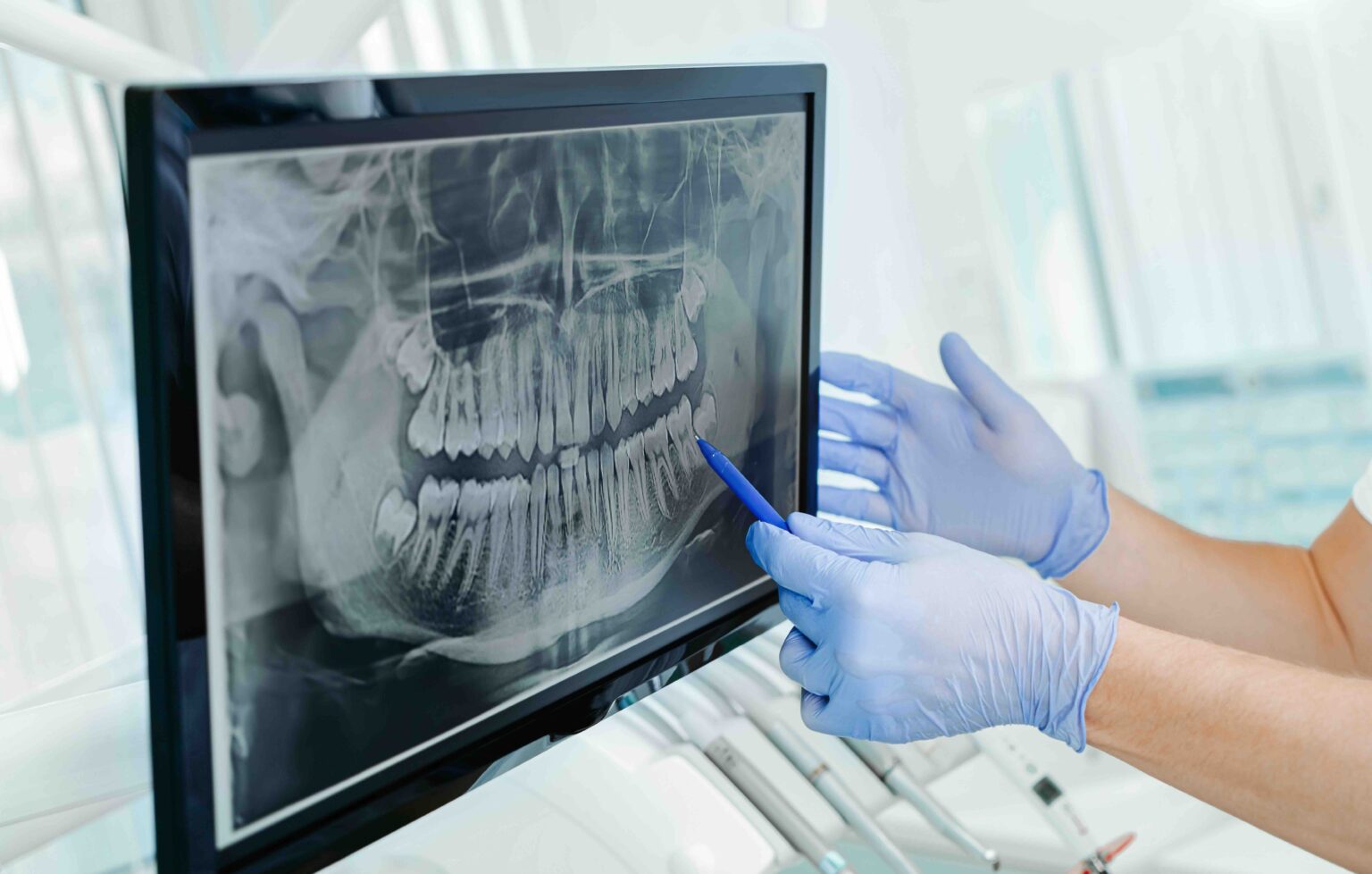
A practical example appears often in clinical practice. A patient comes in because a lower molar “felt off” for months. It was sensitive to cold, then stopped reacting, and now it hurts only when chewing hard foods. The X-ray reveals a deep filling, darkening near the root tip, and widening around the ligament. That pattern often points to a tooth whose pulp has died, allowing bacteria to migrate through the canal system and irritate the bone at the end of the roots. The discomfort may seem intermittent, but the underlying problem is not self-correcting.
Common signs that point toward endodontic treatment
Not every toothache means a root canal is needed, but certain patterns raise suspicion. The most reliable diagnosis comes from a clinical exam, pulp testing, bite assessment, and imaging, often combined rather than used in isolation. Symptoms can vary more than people expect.
- Lingering sensitivity to hot or cold, especially if it lasts well after the trigger is gone
- Pain when biting, releasing pressure, or chewing on one side
- Spontaneous throbbing, particularly pain that wakes you at night
- Swelling in the gum near a specific tooth, sometimes with a pimple-like bump
- Darkening of a tooth after trauma or longstanding internal damage
One of the more confusing situations for patients is when a tooth needs a root canal but does not hurt much. This happens regularly. Dead or dying pulp tissue can stop producing classic sensitivity even while inflammation continues around the root. On the other hand, intense pain does not always mean the tooth is beyond saving. Some of the most symptomatic teeth respond very well once the infected tissue is removed.
The modern root canal experience is very different from its reputation
The old reputation of root canals was built in a different era of dentistry. Today, when diagnosis is careful and anesthesia is properly managed, the procedure is typically no more uncomfortable than having a deep filling placed. Much of the dread comes from arriving in pain before treatment has started. Once the tooth is anesthetized and isolated, the appointment is often far easier than patients anticipated.
In a well-run office, the process is deliberate. The tooth is numbed thoroughly. A rubber dam is placed to keep the area clean and dry. Access is made through the crown of the tooth so the canals can be located. The infected or inflamed pulp tissue is removed, the canals are shaped and disinfected, and then they are sealed with a biocompatible filling material. In many cases, the tooth is then built up with a core and later restored with a crown, especially if it is a back tooth subject to heavy chewing forces.
The details matter. Molars can have complex internal anatomy, and no two root systems are identical. A front tooth may have a relatively straightforward canal, while an upper molar may hide narrow, curved, or difficult-to-locate canals. This is where experience, magnification, high-quality imaging, and patience make a significant difference. The procedure is technical, not dramatic. Success tends to come from meticulous execution rather than speed.
Why Beverly Hills patients often prioritize preservation over extraction
Patients in Beverly Hills often ask practical questions that go beyond immediate pain relief. They want to know how the tooth will function six months from now, how the restoration will look, whether treatment can fit a demanding schedule, and what choice best protects the surrounding teeth. These are the right questions.
Extraction may seem faster at first glance, but it often begins a longer restorative sequence. Once a tooth is removed, the site may need grafting, healing time, implant placement, osseointegration, and final crown fabrication. If a bridge is chosen instead, adjacent teeth may need to be prepared. If nothing replaces the missing tooth, bite changes can follow. For a strategically important tooth, especially a first molar or a visible front tooth, preservation can be the more biologically sound and more efficient route.
There is also an aesthetic dimension. Even when the treated tooth sits far back in the mouth, preserving natural contours supports facial comfort and oral balance. In the front of the mouth, maintaining the natural root can help support gum architecture in a way patients often appreciate years later. That is why Root Canal Beverly Hills care is frequently framed not as a last resort, but as a targeted effort to maintain what nature already built well.
Cases where a root canal may not be the best choice
Professional judgment matters because not every tooth should be saved at any cost. Dentistry is full of gray areas, and a treatment plan has to account for prognosis, not just possibility. A Root Canal Beverly Hills root canal may not be ideal if there is too little remaining tooth structure to hold a reliable restoration. It may also be questionable if the fracture extends vertically into the root, if severe bone loss from gum disease has made the tooth mobile, or if recurrent decay has destroyed the margin below a restorable level.
There are also strategic considerations. A wisdom tooth with poor access and limited functional value may not deserve the same level of intervention as a first molar that anchors the bite. Similarly, a patient with heavy clenching, multiple failing restorations, and extensive untreated periodontal disease may need a broader rehabilitation plan before any single root canal decision makes sense.
This is why honest consultation is so important. Good dentistry does not simply ask whether a tooth can be treated. It asks whether the tooth should be treated, whether it can be restored predictably afterward, and whether the patient is likely to maintain it successfully.
The role of crowns after root canal treatment
Many patients think the root canal itself finishes the job. In reality, the long-term success of the treated tooth often depends just as much on the restoration that follows. Once the pulp is removed, the tooth no longer has living tissue inside, and if it has already lost substantial tooth structure from decay or old fillings, it can become more vulnerable to fracture.
Back teeth are the classic example. Molars take repeated heavy force, especially in patients who grind or clench. If a molar receives a root canal and is left with only a temporary filling or a large unsupported restoration, the risk of cracking increases significantly. A full coverage crown is often recommended to brace the tooth and distribute bite forces more safely. Front teeth sometimes require less coverage if enough healthy enamel and dentin remain, but each case depends on structure, position, and function.
Patients occasionally delay the crown because the pain is gone and the tooth feels fine. That is understandable, but it can be costly. A tooth that has had excellent endodontic treatment can still fail if the final restoration is postponed too long and the crown fractures beyond repair. The root canal saves the inside of the tooth. The restoration protects the outside.
What recovery usually feels like
Most root canal recovery is uneventful. The first day or two may involve mild soreness, especially if the tooth was painful or infected beforehand, or if there was significant inflammation near the root tip. This tends to feel more like bruising than sharp pain. Over-the-counter medication is often enough, though dentists may tailor recommendations based on medical history and the complexity of the case.
Chewing on the treated tooth should usually wait until the final restoration is secure, especially if a temporary filling is in place. Patients who ignore that advice sometimes return with a fractured cusp, not because the root canal failed, but because the weakened tooth was asked to do too much too soon.
A few warning signs deserve prompt attention, especially swelling that increases rather than improves, pain that intensifies several days later, or a temporary filling that breaks down quickly. Those situations do not always indicate a major problem, but they Root Canal Beverly Hills should be evaluated rather than watched casually.
Practical aftercare that protects the result
Aftercare is usually straightforward, but it influences outcomes more than patients realize. The tooth may be cleaned internally in a single visit or over multiple visits depending on the case. Either way, what happens between appointments and before the permanent restoration matters.
- Avoid chewing hard foods on the treated side until the tooth is permanently restored
- Take recommended medications exactly as directed, especially if pain control or infection management is part of the plan
- Keep the tooth clean with normal brushing and flossing unless your dentist gives a temporary modification
- Return promptly for the crown or final restoration, because delay increases fracture risk
- Call the office if swelling, a loose temporary, or worsening pain develops
One of the most preventable problems in endodontics is not infection, but postponement. Patients feel relief, get busy, and treat the temporary phase as if it were final. In a demanding professional community, that can happen easily. Yet preserving a tooth successfully is a sequence, not a single event. The procedure and the restoration need to be completed as a coordinated plan.
How diagnosis separates a true tooth problem from referred pain
Facial pain can be deceptive. Upper molars can mimic sinus pressure. Clenching can create soreness that feels like a tooth infection. A cracked tooth can produce symptoms only when certain fibers of food are chewed. Some lower molar pain even seems to radiate toward the ear. For that reason, careful diagnosis is one of the most valuable parts of any root canal consultation.
An experienced clinician does not rely on one clue alone. Temperature tests, percussion, bite tests, probing depths, imaging, restoration history, and symptom timing all help build the picture. A tooth that feels “high” when biting may need a bite adjustment, not endodontic therapy. A tooth with sharp pain on release may be cracked, which changes the prognosis entirely. A patient with generalized sensitivity in several teeth may be dealing with recession or grinding rather than pulp disease.
This diagnostic phase is where conservative care starts. No one benefits from an unnecessary root canal, and no one benefits from delaying a necessary one because the symptoms were underestimated. Precision matters in both directions.
Questions worth asking before treatment
Patients often focus on cost and appointment length first, which is understandable, but a few broader questions lead to better decisions. Ask whether the tooth is restorable after treatment. Ask whether a crown will be needed and how soon. Ask what the expected prognosis is based on the current structure, not just the canal treatment itself. If there is a crack, ask how deep it appears to extend and how that changes the outlook.
It is also reasonable to ask whether the case is best handled by a general dentist or an endodontist. Many general dentists perform root canals well, especially on straightforward teeth. Complex molars, retreatment cases, calcified canals, or teeth with unusual anatomy may benefit from specialist care. This is not a matter of prestige. It is about matching the case to the provider’s training and equipment.
For patients searching Root Canal Beverly Hills options, the key is not finding the fastest promise. It is finding a practice that diagnoses carefully, explains prognosis honestly, and coordinates the restoration phase just as seriously as the canal treatment itself.
When retreatment or apical surgery enters the discussion
Most root canal treatments heal without incident, but occasionally a previously treated tooth develops recurrent symptoms or persistent inflammation at the root tip. This can happen for several reasons. Hidden anatomy may have been missed. A restoration may have leaked. A fracture may have developed later. In some cases, the original infection was extensive and healing is slow or incomplete.
Retreatment means reopening the tooth, removing prior filling material, cleaning the canals again, and resealing them. It can be highly effective when the cause is accessible and the tooth remains structurally sound. Apical surgery, often called an apicoectomy, addresses infection from the root end when conventional retreatment is unlikely to solve the problem fully. Neither option is routine, but both can preserve a tooth that would otherwise be removed.
The broader point is that endodontic care is not simplistic. Teeth are living structures with histories, restorations, bite forces, and individual anatomy. Good treatment planning reflects that complexity without making it feel mysterious.
The long view on tooth preservation
Successful dentistry is not always the least expensive choice in the short term, nor is it always the most aggressive. It is the choice that best balances biology, structure, function, and the patient’s goals over time. A root canal often fits that definition remarkably well. It can stop pain, control infection, preserve the natural tooth, and maintain normal chewing without starting the chain reaction that follows extraction.
That does not mean every tooth should be saved. It means every tooth that can be saved predictably deserves a serious look before it is removed. The natural tooth still sets the standard. When a root canal is indicated, properly performed, and followed by sound restoration, it remains one of the most effective tools dentistry has for protecting that standard.
For patients weighing Root Canal Beverly Hills treatment, the central question is simple: if this tooth can be preserved responsibly, what will be gained by keeping it? In many cases, the answer is a great deal, from comfort and appearance to bite stability and long-term oral health. That is why root canal therapy continues to hold an essential place in modern dental care, not as a procedure to fear, but as a practical and often highly successful way to keep a natural tooth working where it belongs.
Dental Group of Beverly Hills
8641 Wilshire Blvd, Suite 125
Beverly Hills, CA 90211
(310) 361-2835
FAQ About Root Canal Beverly Hills
What are the signs you need a root canal?
Persistent pain, lingering temperature sensitivity, or swelling can have several causes. A dentist can examine the tooth and decide whether root canal treatment is appropriate.
How much does a root canal usually cost in Beverly Hills CA?
Cost varies by tooth, complexity, insurance, and whether a permanent restoration is needed. Request an itemized estimate.
How long do root canals last?
A treated tooth can last many years with a suitable restoration and regular dental care. Its outlook depends on tooth condition, the seal, and follow-up care.